


6 min read
Does your homeowners policy still cover the house in February?
The statute
Section 3404 of the New York Insurance Law sets out the standard fire policy — the statutory floor beneath every fire policy issued in this state. Insurers may write broader coverage. They may not write narrower.
Among the conditions suspending or restricting insurance, the policy provides that the insurer is not liable for loss occurring:
The operative word is the conjunction. Not vacant and unoccupied. Vacant or unoccupied.
Why the distinction decides the question
In ordinary insurance usage the two words mean different things. Vacant means empty of both people and contents. Unoccupied means without occupants but with furniture and personal effects still in place.
The standard ISO homeowners form applies its vandalism and glass-breakage exclusions only to a dwelling that has been vacant more than sixty days. On that language, a fully furnished second home is not caught — it is unoccupied, not vacant, and owners who have read their policy carefully sometimes conclude they are fine.
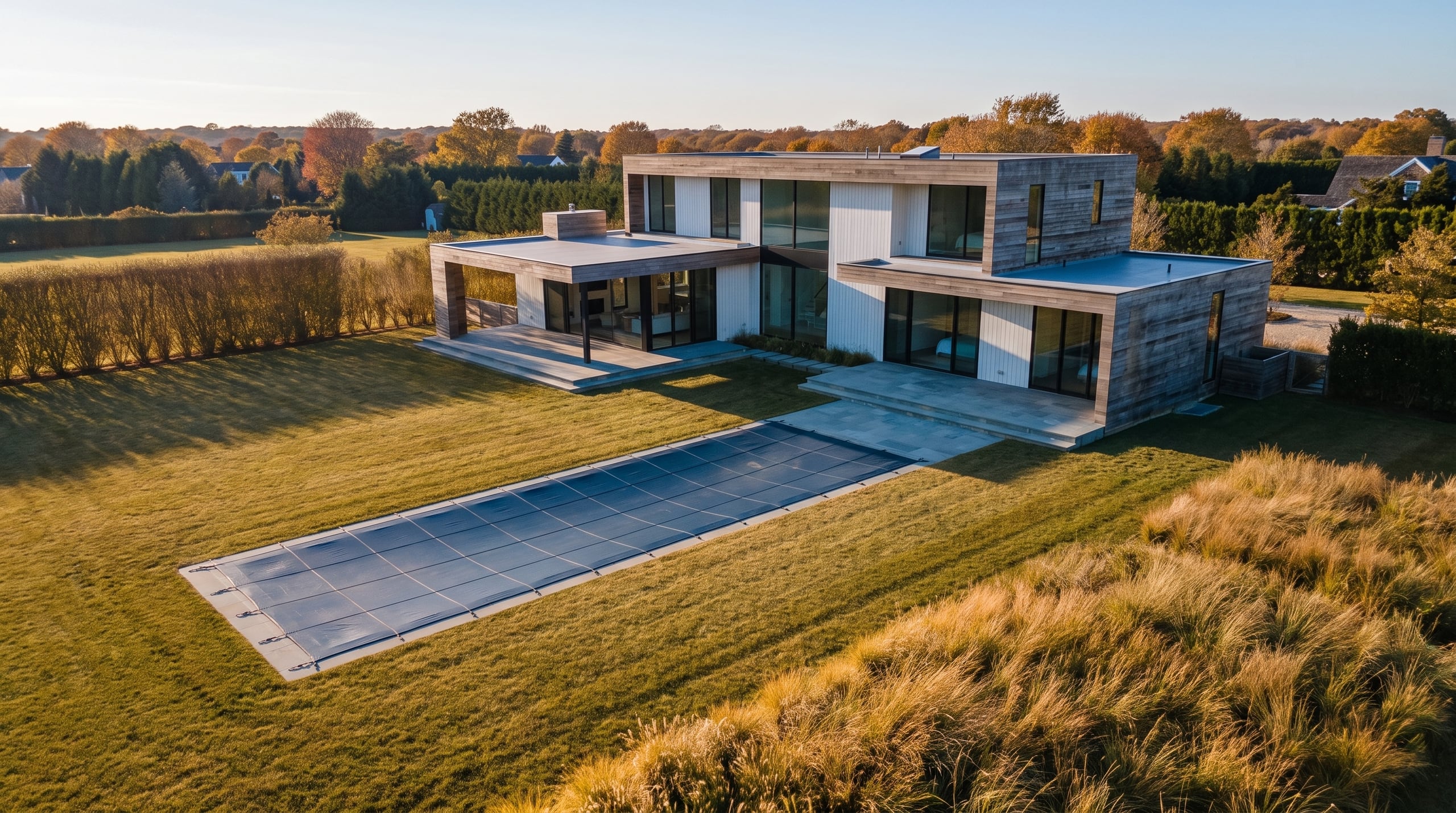
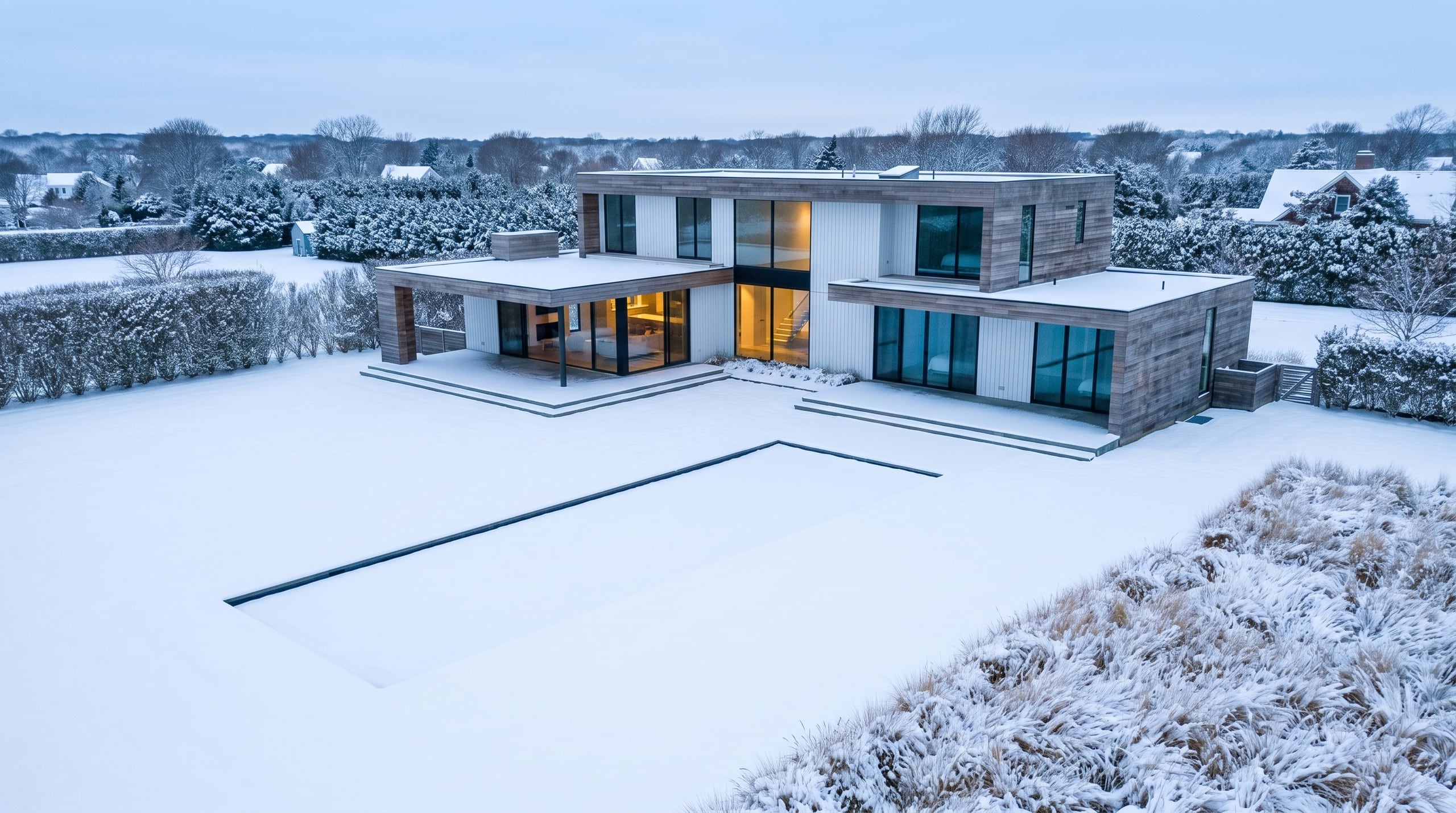
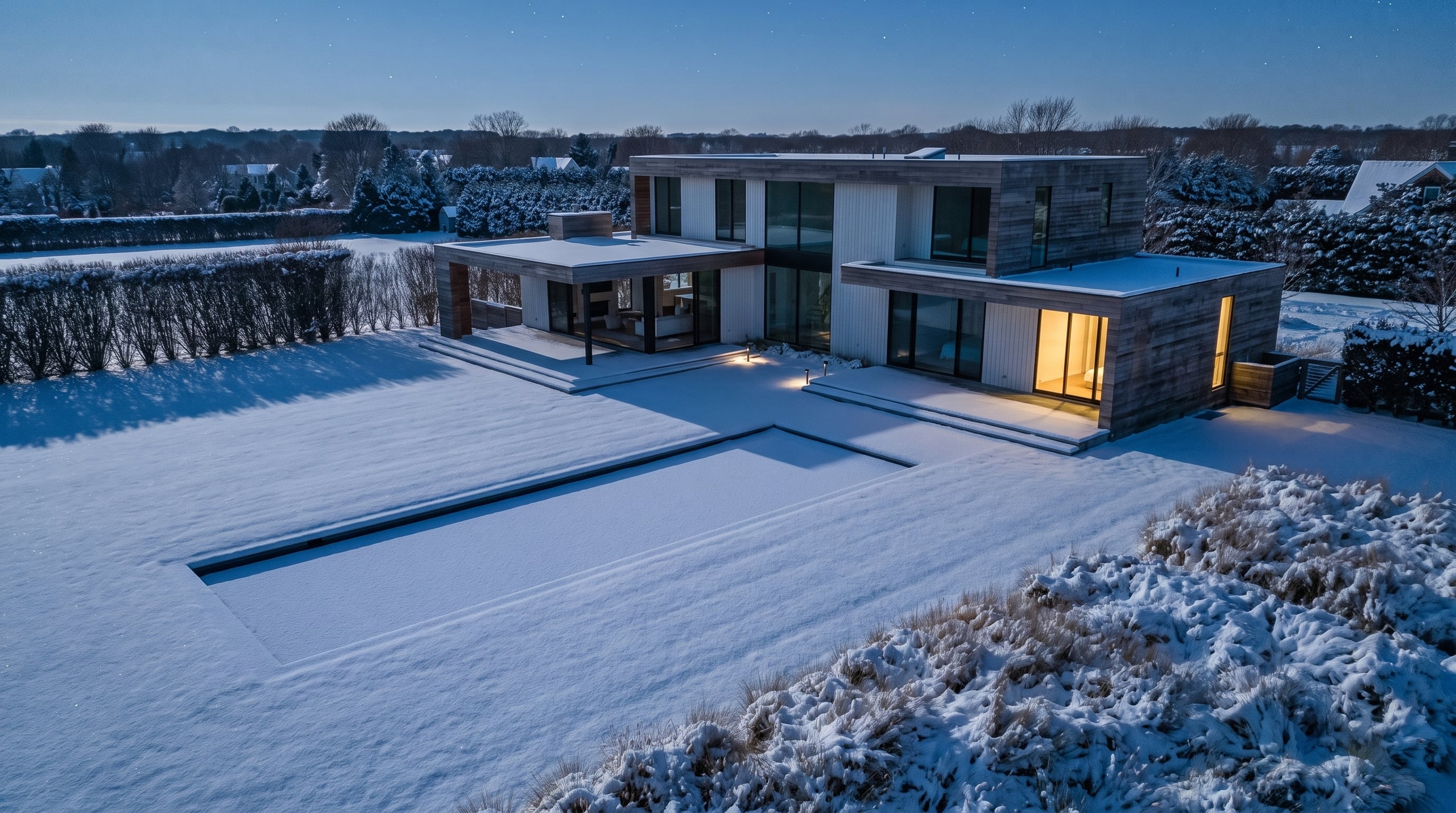
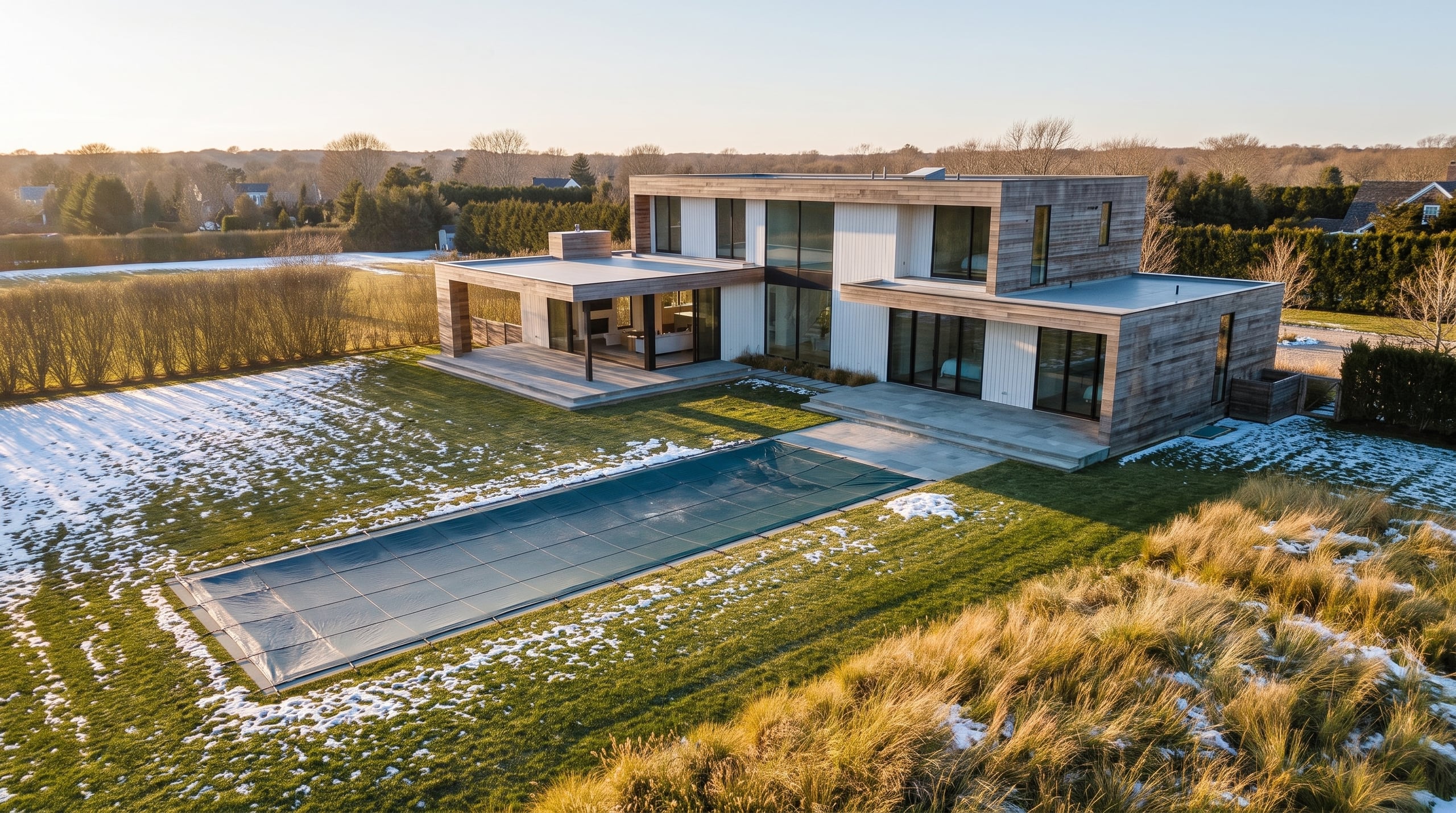
New York's statutory language is wider. It reaches the unoccupied house too. A furnished residence in Sagaponack, closed in November and opened in April, sits unoccupied for around one hundred and fifty consecutive days and crosses the statutory line every single year.
Two qualifications, stated honestly
First, this is the statutory minimum. Carriers writing high-value homeowners business — Chubb, AIG, PURE and their peers — routinely broaden the vacancy and unoccupancy terms by endorsement. Many seasonal owners are already covered and do not know that either.
Second, the clause is suspensive rather than void from inception. It restricts liability for loss occurring during the period; it does not cancel the policy. And it yields expressly to anything otherwise provided in writing added to the policy.
Which is the actual point. The resolving mechanism is written notice to the carrier. It takes five minutes, it costs nothing, and it is almost never done — because nobody tells the owner it is a thing that exists.
The freezing exclusion works the same way
The standard homeowners form excludes loss caused by freezing of a plumbing, heating, air conditioning or automatic fire protective sprinkler system, or by discharge from those systems caused by freezing. Owners read that sentence and assume winter pipe damage in an empty house is simply uncovered.
They are reading half of it. The next sentence, in the policy's own words:
The exclusion is conditional. It turns entirely on reasonable care — and reasonable care is not a state of mind. It is an evidentiary question, answered months after the fact, on whatever record happens to exist.
A dated, timestamped, photographed log showing the interior held above 55°F through the winter is that record. A recollection that someone was keeping an eye on the place is not.
What to actually do
None of this requires hiring anyone. It requires knowing the provisions exist, which is the part the industry has been strangely quiet about.
Begin a conversation